
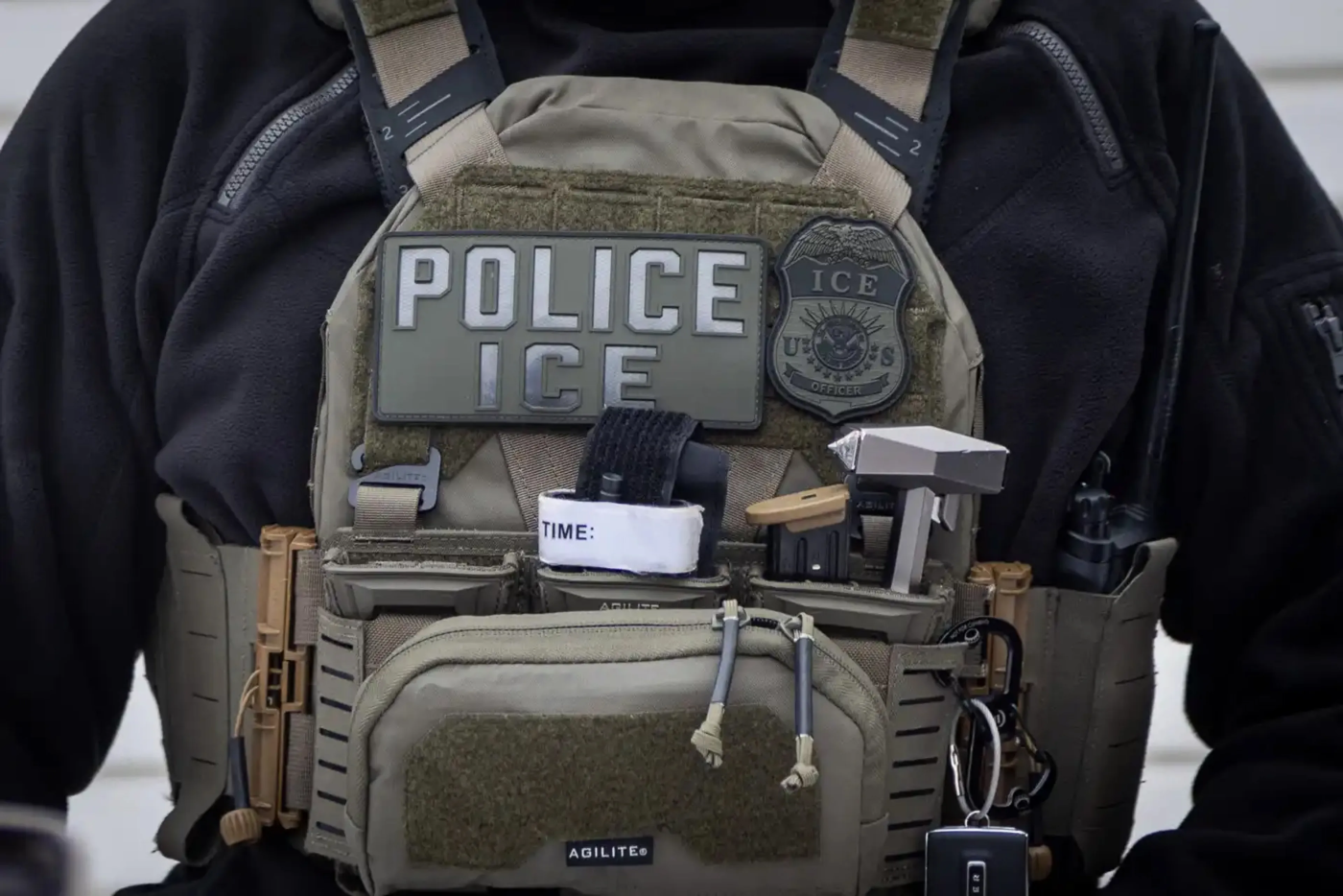
Can ICE Stop You on the Street? What Immigration Officers Can Ask, When They Can Detain You, and What to Do
When people ask, “Can ICE stop you on the street?” what they usually mean is: can ICE walk up, question you, detain you, or arrest you in public—without warning. The honest answer is: ICE can approach you and ask questions, but whether they can lawfully detain or arrest you depends on the situation and the legal standard they can meet.
This guide explains how street encounters typically work, what the law authorizes immigration officers to do, and what these rules mean for immigrants trying to stay safe and informed.
The key concept: contact vs. detention vs. arrest
Most street encounters fall into one of three categories:
-A voluntary encounter (consensual contact)
An ICE officer can approach and ask questions in public, similar to how any person could start a conversation. If you are not being restrained and feel free to leave, it is generally considered voluntary. Federal regulations recognize that immigration officers may ask questions as long as they do not restrain someone.
-A brief detention for questioning
An encounter becomes a detention when an officer restrains your movement or makes it clear you are not free to leave. ICE regulations describe that officers may briefly detain a person for questioning when they have “reasonable suspicion” based on specific facts that the person is unlawfully present.
-An arrest
An arrest requires a higher standard, generally “reason to believe” (a probable-cause-like standard) that the person is unlawfully in the U.S. or has committed certain offenses. ICE officers have statutory authority to interrogate and arrest without a warrant in certain circumstances.
So… can ICE “stop” you on the street?
Yes, ICE can approach you and ask questions. That part is allowed.
Whether ICE can detain you depends on whether they can point to facts supporting reasonable suspicion under the standards described in federal regulations.
Whether ICE can arrest you depends on whether they have a stronger factual basis to justify an arrest under their statutory and regulatory authority.
What this means for immigrants: an ICE street encounter might begin as “questions,” but it can escalate quickly if ICE claims suspicion or cause. Knowing the difference helps you react calmly and protect your case.
What can ICE ask in public?
ICE may ask things like:
What is your name?
Where were you born?
What is your immigration status?
Do you have proof of lawful status?
Important: You can choose not to answer questions about immigration status. Civil liberties guidance commonly emphasizes the right to remain silent and to request a lawyer.
Do you have to carry immigration papers?
U.S. law requires many non-citizens age 18+ to carry proof of registration (often interpreted as carrying evidence like a green card or other registration document). USCIS also states that non-citizens 18 or older must carry evidence of registration.
What this means for immigrants: if you have valid proof of status, having it accessible can sometimes reduce confusion—but every situation is different, and you should avoid presenting anything false or signing anything you don’t understand.
What ICE cannot do (in general) during a street encounter
In public spaces, ICE does not need a warrant just to approach you. But in many situations:
You generally do not have to consent to searches of your belongings (unless there’s a lawful basis)
You do not have to sign documents without understanding them
You can ask for legal counsel and choose to remain silent
Know-your-rights guidance from legal organizations consistently stresses: stay calm, don’t run, don’t resist physically, and don’t sign anything without legal advice.
Practical “what to do” if ICE stops you on the street
This is about protecting yourself legally—not confrontation.
Step 1: Find out if you’re free to leave
Say: “Am I free to go?”
If the answer is yes, you can calmly leave.
Step 2: If you’re not free to leave, treat it as a detention
You can say:
“I choose to remain silent.”
“I want to speak to a lawyer.”
Step 3: Don’t consent to searches you don’t have to consent to
You can say: “I do not consent to a search.”
Step 4: Don’t sign anything on the spot
Signing the wrong document can have major immigration consequences. Know-your-rights materials warn against signing without counsel.
Step 5: Stay calm and do not resist physically
Even if you believe your rights are being violated, the safest route is to comply physically and let your attorney challenge it legally later.
ICE vs. CBP: why the “border zone” question comes up
A lot of street-stop confusion comes from mixing ICE with CBP (Customs and Border Protection). CBP operates at ports of entry and border areas; ICE primarily handles interior enforcement. The rules and typical encounter patterns can differ.
What this means for immigrants: the agency matters. If you’re unsure who is talking to you, you can ask for identification and the officer’s agency.
Why this topic matters right now for immigrants
Even when someone has a pending case, a valid status, or a lawful pathway, a street encounter can still be stressful and risky because:
People may panic and say something inconsistent
Paperwork may not be available immediately
“Quick questioning” can turn into detention if ICE claims suspicion
Signing documents without understanding them can damage future relief options
The goal isn’t fear—it’s preparedness. If your family has a plan and understands basic rights, you reduce the odds of making a mistake in a high-pressure moment.
How AG Law Firm can help
At AG Law Firm, we help clients and families:
Understand their rights during ICE encounters
Prepare an emergency plan (documents, contacts, strategy)
Evaluate risk factors (prior orders, arrests, pending cases)
Respond quickly if someone is detained (bond, parole, motions, removal defense)
If you have questions about your situation, getting individualized guidance can be the difference between confusion and a clear plan.